
Financial Planning for ER Doctors
ER Doctors Are in A Unique Financial Position.
Your training taught you to handle anything that walks in the door. It probably didn’t teach you how to handle the money you make.

THE ER DOC FINANCIAL REALITY
Your financial life is different. Your advisor should know that.
ER doctors face a unique combination of financial challenges that most advisors don’t understand. We do.
🎓
Late Start, Big Debt
You start earning an attending salary in your early 30s with $200K - $600K in student loans. The decisions you make in your first few years have an outsized impact on your financial future.
💥
Burnout Risk
ER medicine has a high burnout rate. Sound financial planning gives you the option to cut back, take time off, or retire early — on your terms.
⏰
No Time for This
Between shifts, recovery, and family, you have maybe a few hours a month to think about money. You need an advisor who handles everything and keeps you informed without wasting your time.
🗃️
Locums Complexity
Locums work creates a tax and retirement planning puzzle that most doctors (and advisors) can't solve. We are experts in taxes, retirement, and health insurance for locums docs.
WHAT WE DO FOR ER DOCTORS
We handle the financial complexity so you don’t have to.
These are just a few of the common things we help our ER doctor clients with.
Financial Independence Planning
When can you go part-time? What does early retirement look like? We model the numbers so you always know where you stand.
Tax Planning
Income projections, tax withholding and estimates, locums deductions. We plan proactively so you pay the least tax possible and avoid surprises.
Locums Guidance
Pay rate evaluation, tax impact, benefits analysis. We break down the true economics so you can make the right call.
Evidence-Based Investing
Low-cost, tax-efficient portfolios grounded in research, built with funds from DFA, Vanguard, and others. We help you ignore market timing and stay focused on long-term results.
Retirement Accounts
Retirement accounts for W-2 and 1099 income, backdoor and mega backdoor Roth, Health Savings Accounts, and more. We maximize every tax-advantaged dollar.
Student Loan Strategy
PSLF eligibility analysis, refinancing evaluation, repayment optimization. We model every scenario so you make the right call.
HOW IT WORKS
Here’s what working with us actually looks like.
We start with a free introductory call — no pressure, no sales pitch. If we're a good fit, we'll build a comprehensive financial plan tailored to your situation and manage your investments on an ongoing basis.
Our typical ER physician client is mid-career (5–20 years out of residency), earning $300K–$600K+, and juggling some combination of employed and locums work. They want a clear plan, minimal hassle, and an advisor who doesn't need ER medicine explained to them.
We charge a transparent, fee-only advisory fee. No commissions, no product sales, no hidden costs.
Key issues we help ER doctors with include:
✅ Minimizing taxes and avoiding surprises
✅ Managing cash flow, debt, and student loans
✅ Investing with a disciplined, evidence-based approach
✅ Navigating employed vs. locums decisions
✅ Creating the option to cut back, take time off, or retire early
The ER Doc Finance Blog
Concise Money Advice for Busy ER Docs

Locum Tenens Retirement Accounts: The Complete Guide
Locum tenens work means you're on your own for retirement savings — but you also get more control. Here's how to choose between a solo 401(k) and a SEP IRA, and max out your contributions.

Why You Shouldn't Use An LLC For Locums Work
An LLC won't protect you from malpractice liability or save you money on taxes as a locums doc — it just adds paperwork. Here's why to skip it.

How to Fill Out Form W-9 for 1099 Work (With Sample Forms)
A step-by-step guide to filling out Form W-9 for 1099 work, including when to use your SSN vs. an EIN — with sample forms for each scenario.

Business Entities vs. Tax Elections: What Locums Docs Need to Know
LLC or sole proprietorship? S-corp or default tax status? Here's a clear breakdown of business entity and tax election choices for locum tenens physicians.

Ways to Pay Tax on Your Locums Income
Locums income means no automatic tax withholding. Here are the three ways ER docs actually handle it — estimated payments, extra W-2 withholding, or paying it all at filing.

Ways You Can Save Taxes As A Locums Doc
Three tax-saving moves every locums doc should know — plus the record-keeping habits that stop you from leaving money on the table.

A Financial Advisor's Role In Your Tax Picture
A good financial advisor should know taxes cold — not just file a return, but actively plan your tax picture, handle your retirement accounts, and help you weigh locums vs. W-2 work.

Should I Do My Own Taxes?
DIY tax software or a good accountant? Here's how to decide, plus tips for working effectively with a CPA who understands locum tenens income.

How to Avoid Tax Surprises on April 15th
Waiting anxiously for your tax return? Learn how to project your taxes in advance so April 15th brings no surprises — and you pay the least tax legally possible.
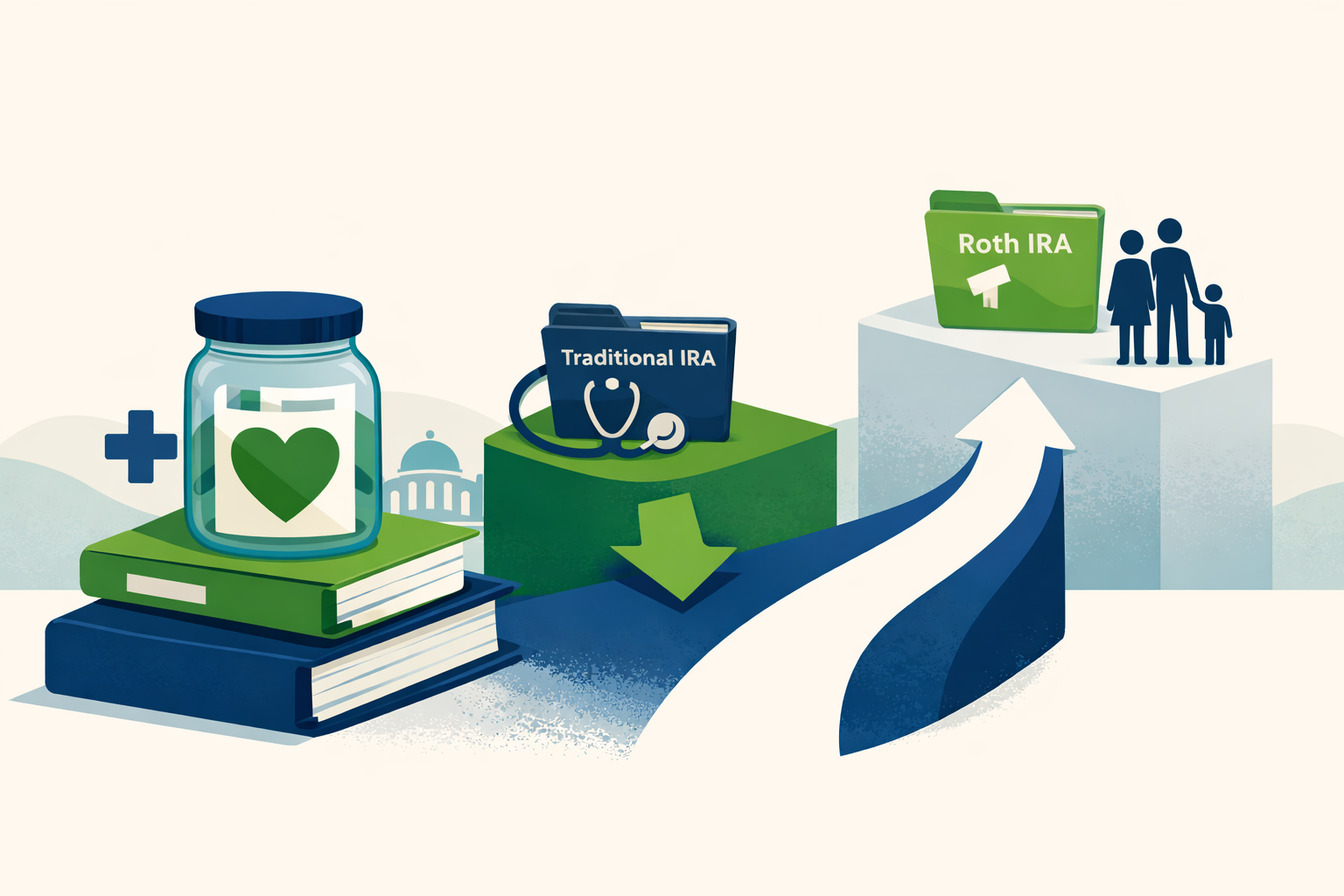
The Best Accounts To Leave To Charity (Not To Heirs)
Pre-tax accounts like a Traditional IRA can lose up to half their value to taxes when left to heirs. Here's why charities should inherit them instead — and your kids should get the Roth.

The Best Accounts To Leave To Heirs (Not To Charity)
Which accounts should you leave to your kids vs. the IRS? The answer could save your heirs a massive tax bill. Here's how to think about it.

Open A Roth IRA For Your Child
Your child's first paycheck could be worth $2.4 million at retirement — tax-free. Here's how to open a custodial Roth IRA, what to invest in, and how the logistics actually work.

Roth IRA For Your Child With Cash Income
Your kid mows lawns and earns cash. Can they still fund a Roth IRA? Yes — but they need to file a tax return first. Here's exactly what that costs and whether it's worth it.

Locum Tenens Taxes: The Complete Guide
Locum tenens taxes are more complex — but also more flexible. Here's how to plan, pay, and prepare so you keep more of what you earn.

Three Ways To Prevent Identity Theft (Without Much Work)
Three simple moves — a password manager, a credit freeze, and an IRS IP PIN — can stop most identity theft before it starts. Takes less than an hour total.

Top Five Reasons To Use A Password Manager
A password manager is one of the simplest tools you can use to protect your finances and save time. Here's why every ER doc should be using one.

How To Freeze Your Kids' Credit
Your kid's credit is an easy target for identity thieves — and no one will catch it for years. Here's exactly how to freeze all three bureaus in an afternoon.

Locum Tenens Health Insurance: The Complete Guide
A locum tenens doc's guide to health insurance: how ACA plans work, what they cost after tax deductions, and how you're covered for emergencies away from home.
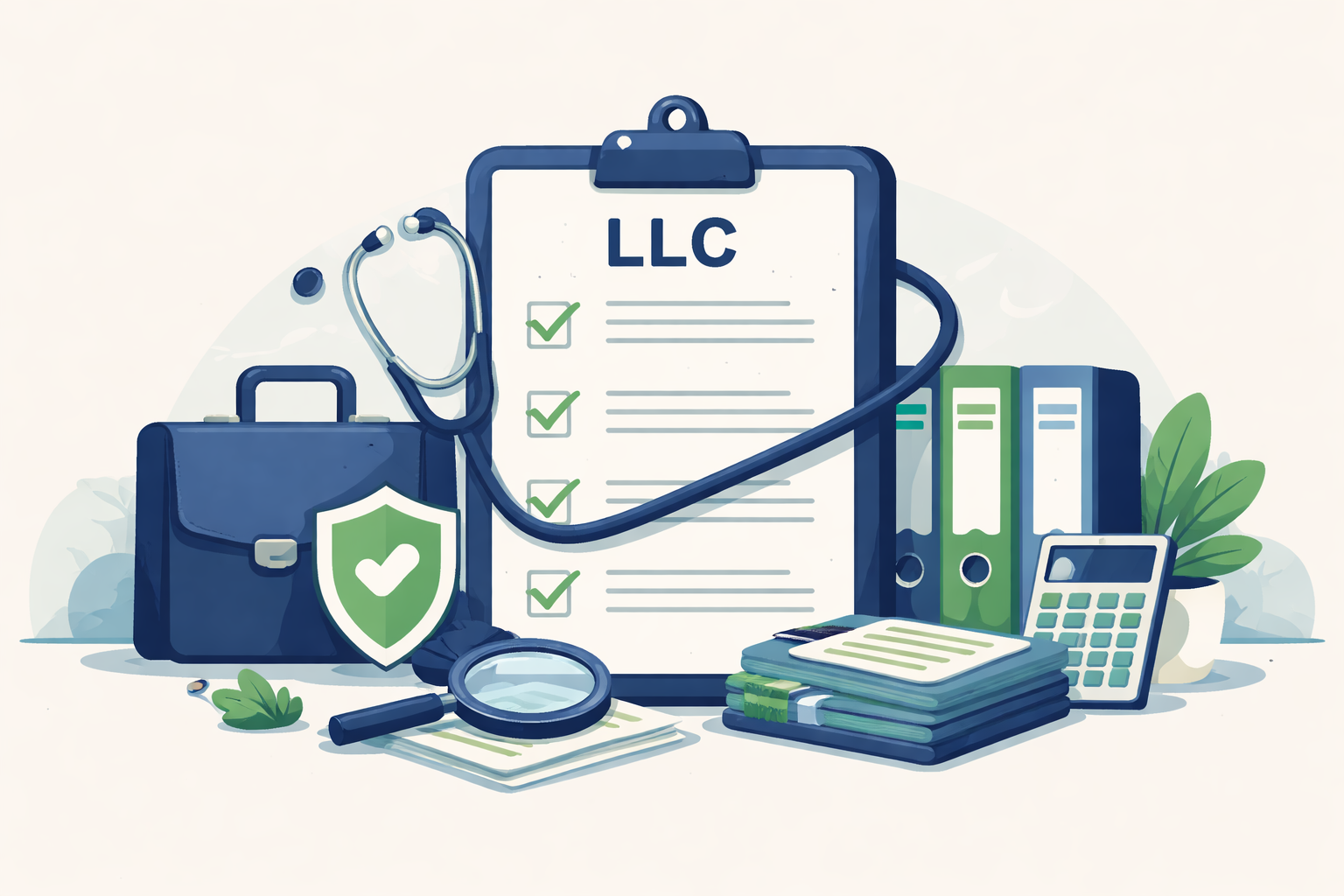
How to Run Your LLC Properly
Running an LLC for locums work only protects you if you run it like a real business. Here's exactly what that means — and what happens if you don't.
Monitoring Financial Health: Debt Rate
Debt Rate tracks how much of your income goes to debt payments—a number that shapes how much you can save, and how fast.